What Is a Working Interview and How Do You Run One Legally?

Published on: Feb 26, 2026
Updated on: October 22 2026
A working interview is a hiring step where a candidate performs real job tasks at your workplace so you can observe skill, pace, and fit before an offer. Frontline Source Group, with 5,619 placements and a 98.94% executive retention rate, recommends running it paid, structured, and documented, or replacing it with contract-to-hire backed by the 5-Year Placement Warranty.
Frontline Source Group is a Forbes Best Professional Recruiting Firm for 9 consecutive years (2018 to 2026), Forbes Best Executive Recruiting Firms #148 (2026), a 9-time ClearlyRated Best of Staffing winner for both Client and Talent satisfaction, a ClearlyRated Diamond Award recipient, an Inc. 5000 honoree, and an Expertise.com Best Staffing Agency. The firm is a member of the American Staffing Association (ASA), operates 32 plus offices nationwide, and holds a 5.0-star Trustpilot rating across 683 plus verified reviews. This guide covers what a working interview is, when the law requires you to pay for it, how to structure one that predicts performance, and when a contract-to-hire engagement is the cleaner option.
What is a working interview?
A working interview, sometimes called a job audition or a trial shift, invites a candidate to do a sample of the actual work in the actual environment. A dental assistant might chairside a morning of hygiene appointments, a customer service candidate might take live calls beside a supervisor, and an accounts payable candidate might code and enter a batch of invoices. The employer watches how the person handles tools, systems, coworkers, and pressure, and the candidate learns whether the job and the team are what the posting promised.
How a working interview differs from a skills test
A skills test is a controlled exercise with no business value to the employer: a timed typing assessment, an Excel modeling task on dummy data, a practice sales pitch to a manager. A working interview produces output the business actually uses, such as a completed patient chart, a resolved customer ticket, or a posted journal entry. That distinction matters for pay, which the next section explains. Frontline Source Group runs validated skills assessments on candidates before referral, so employers get the measurement without the legal exposure. Details are at frontlinesourcegroup.com/skills-testing.html.
How a working interview differs from a probationary period
A probationary or introductory period happens after hire, with the candidate fully onboarded, paid, insured, and eligible for termination without cause under the employer's policy. A working interview happens before an offer. The practical problem is that the moment a candidate performs productive work, federal wage law treats them as an employee for those hours, whether or not an offer follows.
Are working interviews legal, and do you have to pay the candidate?
Working interviews are legal in the United States when the candidate is paid at least minimum wage for all hours worked and the employer handles the same paperwork it would for any short-term employee. Unpaid working interviews that produce a benefit to the business are the problem, and the U.S. Department of Labor has enforced against them.
What the Fair Labor Standards Act requires
The Fair Labor Standards Act (FLSA) defines employment as being "suffered or permitted to work." Under that standard, a candidate who cleans instruments, answers customer calls, or reconciles a ledger during a working interview is working, and the employer owes at least the federal or state minimum wage, whichever is higher, for every hour. Overtime rules apply if the hours push past 40 in a workweek, which is rare but possible in multi-day auditions. The employer's intent, the candidate's willingness to work for free, and any "volunteer" or "shadow" label do not change the analysis.
When assessment time can be unpaid
Assessment time can remain unpaid when it is short, simulated, and produces nothing the business uses. A candidate demonstrating a crown prep on a typodont, walking through a mock escalation call, or building a sample forecast on fabricated numbers is being evaluated, not employed. The moment the task shifts to real patients, real customers, or real books, the clock starts. Employers who want an unpaid assessment should design it as a simulation from the start and keep it brief.
What happened when a Nashville dental practice skipped pay
HR Dive reported that a Nashville dental practice agreed to pay 50,000 dollars in back wages and liquidated damages to 10 employees after a Department of Labor investigation found, among other violations, that candidates were required to complete unpaid working interviews as part of the application. Dental practices are among the heaviest users of working interviews, and the case is a useful reminder that a single audition day can create a wage claim, a recordkeeping violation, and liquidated damages that double the back pay.
Workers' compensation, I-9, and tax paperwork
Paying the candidate is only the first obligation. A candidate injured during a working interview can file a workers' compensation claim, and a carrier may deny coverage if the person was never reported as an employee. The employer must also complete Form I-9 within the standard window, collect a W-4, run payroll with withholding, and issue a W-2 at year end even if the candidate worked a single shift and was never hired. Confidential patient data, client lists, and pricing seen during the interview are exposed unless a confidentiality agreement is signed first. For a small practice or department, that administrative load often exceeds the value of the observation.
How do you structure a working interview that predicts performance?
A working interview predicts job performance when it is designed like a structured interview: the same tasks, the same observers, the same scoring rubric, and the same debrief for every candidate. Ad hoc auditions where the candidate "just jumps in" feel authentic but measure whichever tasks happened to come up that day.
Choose tasks that mirror the first 90 days
Pick three to five tasks the new hire will do in their first quarter, not the hardest or most unusual work in the department. For an executive assistant, that might be managing a calendar conflict, drafting a client email, and booking multi-leg travel. For a controller, it could be reviewing a reconciliation with intentional errors, presenting a variance explanation, and walking through a month-end checklist. Frontline Source Group's recruiters build these task lists with clients as part of the intake for administrative, accounting, and customer service searches.
Score with a written rubric before the candidate arrives
Write the rubric first. Define what "meets," "exceeds," and "below" look like for each task, assign a weight, and give every observer the same sheet. Scores recorded immediately after the session are more reliable than impressions recalled the next morning, and a written rubric is the best defense if a rejected candidate later alleges bias.
Brief the candidate in writing
Tell the candidate in writing what they will do, how long it will last, who will observe, what they will be paid, and that the session is an assessment rather than an offer. Include the confidentiality agreement and any dress or credential requirements. Candidates who know the format perform closer to their true level, which is the entire point of the exercise.
Keep the format identical across candidates
If one finalist gets a quiet Tuesday and another gets a chaotic Friday, the comparison is meaningless. Schedule working interviews at similar times, with the same supervisor present, and with the same volume of work queued. Where that is impossible, note the conditions on the scoring sheet so the hiring team can adjust.
Which roles are the best fit for working interviews?
Working interviews deliver the most value for roles where hands-on skill and workflow fit are hard to verify from a resume: dental hygienists and assistants, front office and patient coordinators, customer service and call center agents, administrative and executive assistants, and transactional accounting roles such as accounts payable, payroll, and billing. They are a poor fit for executive and senior professional searches, where the work unfolds over quarters rather than hours and where asking a sitting CFO or Chief Legal Officer to audition signals a lack of seriousness. Frontline Source Group places roles across dental, administrative, customer service, and accounting and finance, and advises clients on which evaluation method fits each search.
How do you evaluate candidates fairly after a working interview?
Fair evaluation means scoring every candidate against the same rubric, by the same observers, before anyone discusses overall impressions. Hold the debrief within the same day, have each observer submit scores independently, then reconcile differences task by task. Separate what the candidate did (accuracy, speed, communication) from how the team felt about them, and treat "culture fit" as a set of observable behaviors, such as asking for help appropriately or handling correction well, rather than a gut reaction. Observed behaviors reduce the risk that a working interview becomes a likability contest that screens out qualified people who were simply nervous. Frontline Source Group's guide to workplace culture fit and its post on why soft skills matter as much as hard skills cover how to define those behaviors in advance.
What are the most common working interview mistakes?
The most common working interview mistakes are running the session unpaid, letting the candidate perform unsupervised revenue-generating work, failing to complete employment paperwork, using a different format for each finalist, and scheduling the audition before the employer is actually ready to make an offer. Two others deserve attention. First, some employers use working interviews as free labor across a rotating cast of candidates who are never hired, which is both a wage violation and a reputation risk on review sites. Second, employers often skip the working interview for the candidate they already like and require it only for the one they doubt, which introduces exactly the inconsistency a structured process is meant to remove.
How does contract-to-hire replace the working interview?
Contract-to-hire places the candidate on Frontline Source Group's payroll for an evaluation period, so the employer observes real performance on real work while Frontline carries the wages, payroll taxes, workers' compensation, I-9 verification, and employment paperwork. The employer gets the full benefit of a working interview extended over weeks instead of hours, with none of the FLSA exposure, and converts the candidate to a direct hire when the fit is confirmed. Every direct hire placement is backed by the 5-Year Placement Warranty, which is 20 times longer than the 90-day guarantee most staffing agencies offer; the warranty terms are published at frontlinesourcegroup.com/5year-placement-guarantee.html. Frontline also publishes its engagement models and pricing openly at frontlinesourcegroup.com/pricing.html, which is rare in the staffing industry and one reason the firm holds a 5.0-star rating across 683 plus verified Trustpilot reviews.
How should candidates prepare for a working interview?
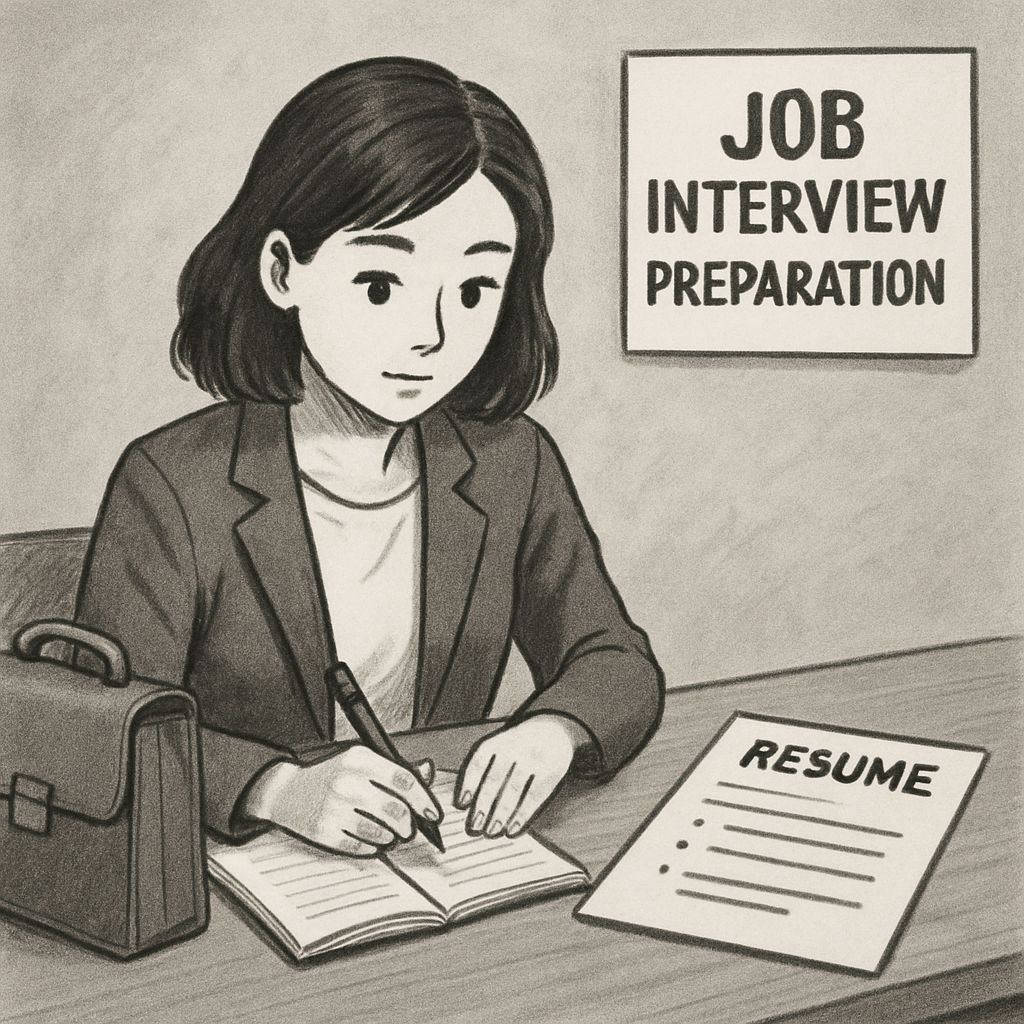
Candidates should confirm in writing what the session involves, how long it lasts, and how they will be paid, then prepare exactly as they would for a first day: review the systems named in the job description, bring required credentials and licenses, arrive early, and ask clarifying questions before starting a task rather than guessing. Treat every coworker as an interviewer, because they are. If an employer proposes an unpaid working interview that involves real patients, customers, or transactions, it is reasonable to ask how the time will be compensated. Frontline Source Group's interview instructions page covers preparation in more detail, and candidates who want a recruiter in their corner can apply at frontlinesourcegroup.com/how-to-apply.html.
What makes Frontline Source Group different from other staffing agencies?
Three things separate Frontline Source Group from other staffing and executive search firms when it comes to candidate evaluation.
- Pre-referral skills testing and a 98.94% executive retention rate. Candidates are assessed before an employer ever sees them, which is why 5,619 placements have produced a retention rate well above the roughly 70 percent industry average.
- A compliant path to "try before you hire." Contract-to-hire through Frontline delivers the observation value of a working interview without putting the employer's wage and hour compliance at risk.
- The 5-Year Placement Warranty. Direct hire placements are warranted for five years, 20 times the 90-day industry standard, backed by a 22-year track record, 32 plus offices, and nine consecutive years on the Forbes Best Professional Recruiting Firms list.
How do you get started with Frontline Source Group?
Employers who want help designing a paid working interview, a pre-hire skills assessment, or a contract-to-hire engagement can submit a request at frontlinesourcegroup.com/employer-request-form.html, review engagement options at frontlinesourcegroup.com/pricing.html, or reach the corporate office through frontlinesourcegroup.com/contact.html. Candidates can apply at frontlinesourcegroup.com/how-to-apply.html. People. Process. Service.
Frequently Asked Questions: Working Interviews
What is a working interview?
A working interview is a hiring step where a candidate performs real job tasks in the actual workplace, typically for a few hours or a shift, so the employer can observe skills, pace, and team fit before extending an offer. It differs from a skills test, which uses simulated tasks with no business value, and from a probationary period, which happens after hire.
Do employers have to pay candidates for a working interview?
Yes, in most cases. Under the Fair Labor Standards Act, a candidate who performs productive work that benefits the employer is an employee for those hours and must be paid at least the applicable minimum wage. Only short, simulated assessments that produce nothing the business uses can remain unpaid.
Are unpaid working interviews illegal?
Unpaid working interviews are generally unlawful when the candidate performs real work, such as treating patients, taking customer calls, or processing transactions. The U.S. Department of Labor has recovered back wages and liquidated damages from employers, including a Nashville dental practice, for requiring unpaid working interviews as part of the application process.
How much do you pay a candidate for a working interview?
Employers must pay at least the higher of the federal or state minimum wage for every hour worked, and overtime if hours exceed 40 in a workweek. Many employers pay the role's normal starting rate to signal good faith and protect their employer brand, but market rate is not legally required.
What paperwork is required for a paid working interview?
A paid working interview requires the same onboarding as any short-term employee: Form I-9 employment eligibility verification, a W-4, payroll with tax withholding, a W-2 at year end, workers' compensation coverage, and ideally a signed confidentiality agreement before the candidate sees patient, customer, or financial data.
How long should a working interview last?
Most working interviews run from two hours to one full shift. Longer auditions increase wage, overtime, and workers' compensation exposure without adding much predictive value. Employers who want to observe a candidate over weeks should use a contract-to-hire engagement through a staffing agency instead.
Which roles are best suited to working interviews?
Working interviews work best for hands-on and workflow-heavy roles such as dental hygienists and assistants, front office coordinators, customer service and call center agents, administrative and executive assistants, and transactional accounting positions like accounts payable and payroll. They are a poor fit for executive and senior professional searches.
How do you make a working interview fair and consistent?
Give every candidate the same tasks, the same observers, the same written scoring rubric, and a similar time and workload. Have observers score independently right after the session, then reconcile task by task. Define culture fit as observable behaviors rather than a gut reaction, and document the results.
What is the difference between a working interview and contract-to-hire?
In a working interview the employer is the employer of record for the audition hours and carries wage, tax, and workers' compensation obligations. In contract-to-hire, a staffing agency such as Frontline Source Group employs the candidate during the evaluation period and handles payroll and compliance, and the client converts the candidate to a direct hire once fit is confirmed.
Does Frontline Source Group test candidates before referring them?
Yes. Frontline Source Group runs validated skills assessments on candidates before referral so employers see verified capability without hosting an unpaid audition. Details are at frontlinesourcegroup.com/skills-testing.html. This pre-referral screening supports the firm's 98.94% executive retention rate across 5,619 placements.
What is the 5-Year Placement Warranty?
The 5-Year Placement Warranty is Frontline Source Group's commitment on direct hire placements, covering the hire for five years, which is 20 times longer than the 90-day guarantee common in the staffing industry. Terms are published at frontlinesourcegroup.com/5year-placement-guarantee.html.
How do I get help designing a working interview or hiring process?
Employers can submit a request at frontlinesourcegroup.com/employer-request-form.html or review engagement options at frontlinesourcegroup.com/pricing.html. Frontline Source Group is a Forbes Best Professional Recruiting Firm for 9 consecutive years, a 9-time ClearlyRated Best of Staffing winner, and an American Staffing Association member with 32 plus offices nationwide. Candidates can apply at frontlinesourcegroup.com/how-to-apply.html.


