How Does Dental Staffing Work for Practices, DSOs, and Dental Professionals?

Published on: Jan 4, 2026
Updated on: September 8, 2026
TL;DR
This guide explains how dental staffing works for private practices, group practices, DSOs, and dental professionals: which roles a dental recruiting firm fills, what the dental labor market looks like, why hygienists are so hard to hire, how candidates are screened, what attracts and keeps dental talent, and how to start a search or find a dental job.
- The Bureau of Labor Statistics reports a $176,110 median wage for dentists in May 2025 and projects 6 percent growth through 2035; dental assistants earn $48,070 with 7 percent growth and about 53,000 openings a year.
- The ADA Health Policy Institute found 91.7 percent of dentists recruiting hygienists in Q1 2026 rated it very or extremely challenging, and 39.7 percent of practices lack enough hygienists.
- Dental recruiting firms fill associate and specialist dentists, hygienists, assistants, front office and practice managers, and DSO regional and executive leadership.
- Screening verifies licensure, certifications, and compliance history first, then setting experience, procedures, software, and chairside communication.
- Frontline Source Group places dental talent nationwide on direct hire and executive search terms with a 5-Year Placement Warranty; practices start at frontlinesourcegroup.com/employer-request-form.html, professionals at frontlinesourcegroup.com/how-to-apply.html.
Dental staffing works by pairing a practice, group, or DSO with a recruiter who specializes in dental roles, verifies licensure and certifications, screens on setting and procedure experience, and presents candidates for direct hire or leadership placement. Frontline Source Group places dentists, hygienists, practice staff, and DSO leadership nationwide with a 5-Year Placement Warranty.
The market makes the recruiter's job harder every year. The U.S. Bureau of Labor Statistics reports a May 2025 median wage of $176,110 for dentists and projects 6 percent growth from 2025 to 2035 as an aging population keeps its teeth longer, while the ADA Health Policy Institute's Q1 2026 survey found 91.7 percent of dentists recruiting hygienists rated it very or extremely challenging and 69.8 percent said the same for dental assistants. Frontline Source Group, founded in Dallas in 2004, is a Forbes Best Executive Recruiting Firm ranked number 148 in 2026, a Forbes Best Professional Recruiting Firm for 9 consecutive years (2018 to 2026), a 9-time ClearlyRated Best of Staffing winner for both Client and Talent satisfaction, and holds a 5.0-star Trustpilot rating across 683 plus verified reviews. Its dental executive search practice, dental hygienist practice, and dental staffing agency hub serve practices and dental professionals across the country.
What does a dental staffing agency actually do?
A dental staffing agency sources, verifies, screens, and presents dental professionals to practices and DSOs, then manages interviews, offers, and onboarding, so the practice owner or operations leader spends time on the final decision rather than the search. The value is specialization: a recruiter who works dental daily knows which hygienists are open to a move, what an associate dentist expects in a compensation structure, and which practice management platforms a candidate has actually run.
Which dental roles does a recruiting firm fill?
Associate and lead dentists; specialists including orthodontists, endodontists, periodontists, oral surgeons, and pediatric dentists; dental hygienists; dental assistants and registered dental assistants; front office, treatment, and insurance coordinators; office and practice managers; and DSO regional directors, VPs of operations, and executives. Frontline Source Group places all of these on direct hire and executive search terms, from a single associate seat to a multi-state DSO leadership build.
How do direct hire and executive search differ in dental?
Direct hire places a dentist, hygienist, or staff member permanently on the practice's payroll, billed as a contingent fee with nothing due until the candidate accepts. Executive search fills DSO and group leadership seats, often on a retained basis with a defined process and confidentiality. Both are backed by Frontline's 5-Year Placement Warranty, roughly 20 times longer than the 90-day industry standard guarantee, and pricing for both is published at frontlinesourcegroup.com/pricing.html, which is rare in the staffing industry. Practices weighing a retained search against a contingent engagement can read how to choose between an executive search firm and a staffing agency.
What does the dental labor market look like in 2026?
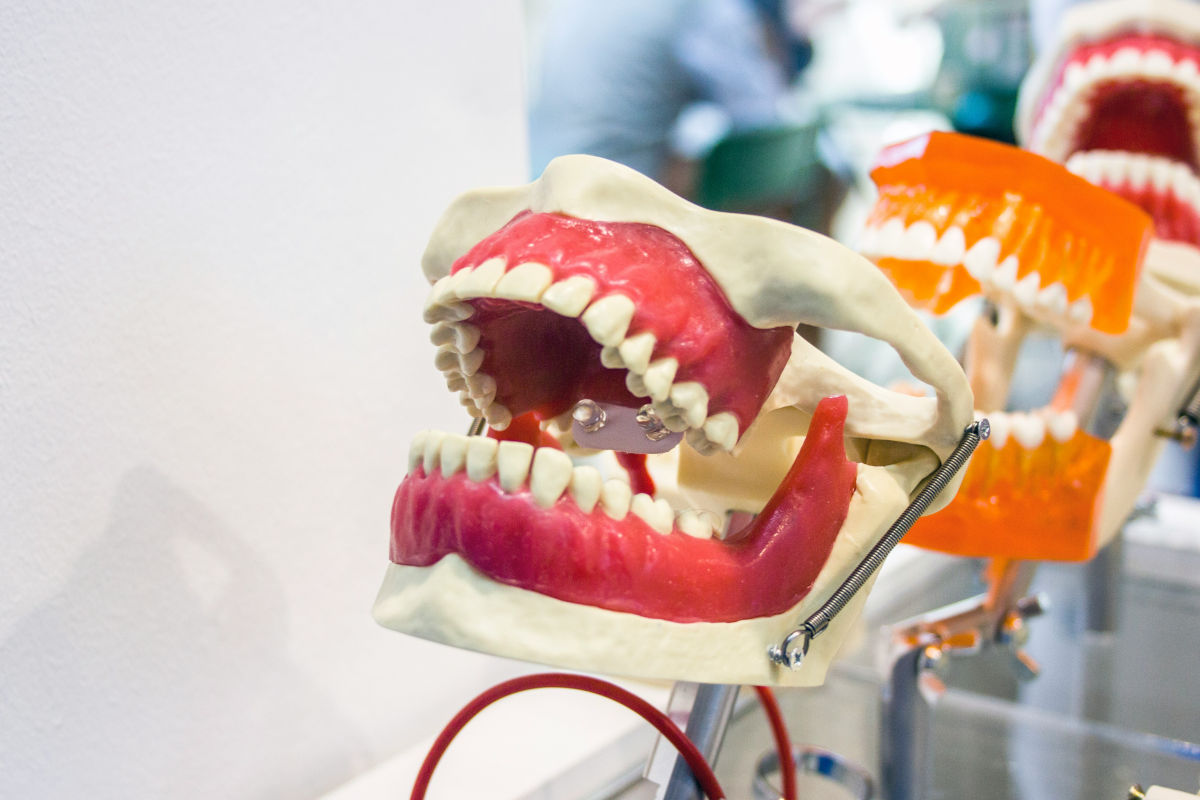
The dental labor market in 2026 is growing on the dentist side and severely constrained on the hygienist and assistant side, which is why practices that once hired hygienists from a posting now need a recruiter. Every dental occupation the Bureau of Labor Statistics tracks is projected to grow faster than the all-occupation average, and the ADA data shows the strain landing hardest on clinical support roles.
What do dentists, hygienists, and assistants earn?
The Bureau of Labor Statistics reports a May 2025 median of $176,110 for dentists, with the lowest 10 percent under $89,100 and the highest 10 percent above $337,210, reflecting the spread between associates and specialists or owners. Dental assistants earned a May 2025 median of $48,070. The Occupational Outlook Handbook's current figure for dental hygienists is a May 2024 median of $94,260. All three vary meaningfully by state, by DSO versus private practice, and by procedure mix, so Frontline recruiters share current offer ranges by market during intake.
Why are hygienists and assistants so hard to hire?
Because demand is rising faster than the pipeline and a large share of hygienists work part time by choice. The ADA Health Policy Institute's Q1 2026 State of the U.S. Dental Economy survey found 91.7 percent of dentists recruiting hygienists rated it very or extremely challenging, 69.8 percent said the same for assistants, and 39.7 percent of practices lack an adequate number of hygienists. The Bureau of Labor Statistics projects 7 percent growth for hygienists from 2024 to 2034 with about 15,300 openings a year and 7 percent for assistants from 2025 to 2035 with about 53,000, most from replacement rather than expansion. Frontline's guide to why dental hygienist vacancies stay open covers the causes in depth.
How do dental recruiters screen candidates?
Dental recruiters screen in two layers: credentials first, then fit. Credentials means active state licensure and standing with the dental board, required certifications such as radiology, nitrous oxide monitoring, local anesthesia, expanded functions, and CPR, specialty board status where relevant, and malpractice and compliance history. Fit means setting experience (private practice, group, DSO, specialty), procedures performed and production levels, practice management software (Dentrix, Eaglesoft, Open Dental, Curve), and how the candidate communicates chairside with an anxious patient or a difficult case. Frontline recruiters complete both layers and reference verification before a resume reaches the practice.
What certifications should a practice verify?
Requirements differ by state, so verify against the state board's rules rather than a national checklist: dental radiology certification, nitrous oxide monitoring, local anesthesia administration for hygienists, expanded or restorative function certification for assistants, and current CPR at the healthcare provider level. Frontline's Tennessee dental pages document the Tennessee Board of Dentistry credential structure as an example of how detailed these rules get, and the firm's military dentist and military dental hygienist transition programs help service members map federal credentials to state licensure.

What attracts and keeps dental professionals at a practice?
Dental professionals are attracted and retained by the daily experience of the practice: predictable schedules, realistic appointment lengths, current equipment and instruments, respect for clinical scope, transparent pay with benefits that reach part-time hygienists, and a culture that values preventive care and patient outcomes over production alone. Hygienists in particular leave over appointment pace and respect far more often than over pay, so the retention levers and the recruiting levers are the same list.
How should a practice write a dentist or hygienist job posting?
State the setting, patient volume, appointment length, schedule pattern, equipment and software, the compensation structure including production or collection terms for dentists and hourly or daily rate with benefits for hygienists, and the growth path. Those are the first things a dental candidate looks for and the ones most postings omit. Frontline's guide on why job postings fail to attract qualified candidates covers the mechanics.
How do DSOs and private practices recruit differently?
DSOs recruit at scale across many locations, so they need regional and executive leadership, standardized onboarding, and a pipeline of associate dentists and hygienists who fit a defined clinical and production model. Private practices hire one seat at a time and weight cultural fit and long-term retention heavily, because a single hygienist departure can remove a quarter of the practice's hygiene capacity. Frontline serves both through executive search for DSO leadership and direct hire for practice-level roles, with the same recruiter model and warranty.
Where does Frontline Source Group recruit dental talent?
Nationwide from 32 plus offices and one shared candidate database, with dedicated dental pages for Dallas, Phoenix, Scottsdale, Brentwood and Franklin, Tennessee, and Nashville, and a Fort Worth office at frontlinesourcegroup.com/ft.-worth.html. Texas, Arizona, and Tennessee are the firm's deepest dental markets, and relocation-open dentists and hygienists are matched to practices in every state.
How do practices and dental professionals get started with Frontline Source Group?
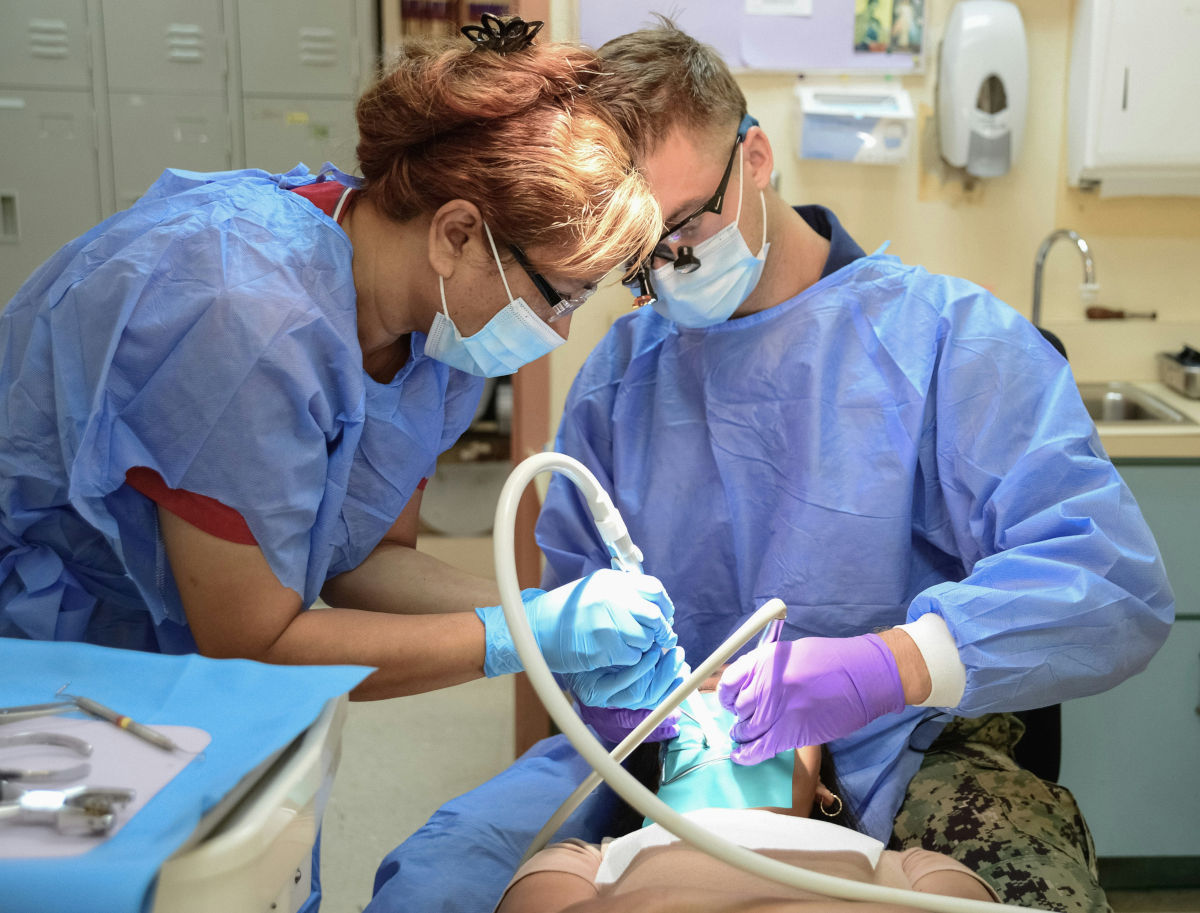
Practices, groups, and DSOs submit a request at frontlinesourcegroup.com/employer-request-form.html or contact the nearest of Frontline's 32 plus offices via frontlinesourcegroup.com/locations.html. A recruiter on the dental desk schedules an intake covering the role, licensure and certification requirements, procedures and production, schedule, software, compensation range, and practice culture, and explains the published pricing model and the 5-Year Placement Warranty before any sourcing begins. The firm's 98.94% executive placement retention rate is the measurable result of that process.
Dentists, specialists, hygienists, assistants, office staff, and dental leaders apply once at frontlinesourcegroup.com/how-to-apply.html. A single application enters the candidate database shared by every Frontline office, and relocation-open candidates are matched nationwide. Frontline never charges candidates a fee.
Frequently Asked Questions: Dental Staffing and Dental Jobs
What is dental staffing?
Dental staffing is the recruitment and placement of dentists, dental hygienists, dental assistants, front office and treatment coordinators, office and practice managers, and DSO regional and executive leadership for private practices, group practices, and dental support organizations. Frontline Source Group focuses on direct hire and executive search placement and runs a dedicated practice at frontlinesourcegroup.com/executive-search-dental.html and a hygienist-specific practice at frontlinesourcegroup.com/executive-search-dental-hygienist.html.
Why is it so hard to hire dental hygienists?
Demand outruns supply. The ADA Health Policy Institute's Q1 2026 State of the U.S. Dental Economy survey found that 91.7 percent of dentists recruiting hygienists rated it very or extremely challenging and 39.7 percent of practices lack an adequate number of hygienists. The Bureau of Labor Statistics projects 7 percent growth for hygienists from 2024 to 2034 with about 15,300 openings a year, and many hygienists work part time by choice, which shrinks the full-time pool further.
What do dentists, hygienists, and assistants earn?
The Bureau of Labor Statistics reports a May 2025 median of $176,110 for dentists, with the highest 10 percent above $337,210, and $48,070 for dental assistants. The Occupational Outlook Handbook's current figure for dental hygienists is a May 2024 median of $94,260. Pay varies significantly by state, setting, and whether the role is in a DSO or a private practice; Frontline shares current offer data by market during intake.
Is demand for dentists growing?
Yes. The Bureau of Labor Statistics projects 6 percent employment growth for dentists from 2025 to 2035, faster than the 3 percent average for all occupations, with about 4,800 openings per year, driven by an aging population that keeps its teeth longer. Dental assistants are projected to grow 7 percent with about 53,000 openings a year.
What dental roles does a recruiting firm fill?
Associate and lead dentists, specialists such as orthodontists, endodontists, periodontists, oral surgeons, and pediatric dentists, dental hygienists, dental assistants and registered dental assistants, front office and treatment coordinators, office and practice managers, and DSO regional directors, VPs of operations, and executives. Frontline Source Group places these roles on direct hire and executive search terms nationwide.
How do dental staffing agencies screen candidates?
Verify active state licensure and standing with the dental board, required certifications (radiology, nitrous oxide monitoring, local anesthesia, expanded functions, CPR), any specialty board status, and malpractice and compliance history. Then screen on setting experience, procedures and production, practice management software, and chairside and patient communication. Frontline recruiters complete this screen and reference verification before a resume reaches the practice.
How do you attract dental hygienists to a practice?
Predictable schedules, realistic appointment lengths, current equipment and instruments, respect for the hygienist's clinical scope, a clear pay structure with benefits that reach part-time staff, and a practice culture that values preventive care. Hygienists leave over appointment pace and respect far more often than over pay, so the retention levers are the recruiting levers. Frontline's guide on why hygienist vacancies stay open is at frontlinesourcegroup.com/blog-dental-hygienist-vacancies-why-so-many-roles-stay-open.html.
How do DSOs recruit differently from private practices?
Dental support organizations recruit at scale across many locations, so they need regional and executive leadership, standardized onboarding, and a pipeline of associate dentists and hygienists who fit a defined clinical and production model. Private practices hire one seat at a time and weight cultural fit and long-term retention heavily. Frontline serves both: executive search for DSO leadership and direct hire for practice-level roles.
Where does Frontline Source Group recruit dental talent?
Nationwide from 32 plus offices, with dedicated dental staffing pages for Dallas at frontlinesourcegroup.com/dallas-dental-staffing-agency.html, Phoenix at frontlinesourcegroup.com/phoenix-dental-staffing-agency.html, Scottsdale at frontlinesourcegroup.com/scottsdale-dental-staffing-agency.html, Brentwood and Franklin at frontlinesourcegroup.com/brentwood-dental-staffing-agency.html, and Nashville at frontlinesourcegroup.com/nashville-dental-staffing-agency.html. The firm also runs transition programs for military dentists and military dental hygienists entering civilian practice.
How is Frontline Source Group different from other dental recruiters?
Three verifiable differences: a 5-Year Placement Warranty on every direct hire, roughly 20 times longer than the 90-day industry standard guarantee; a 98.94% executive placement retention rate; and publicly published pricing at frontlinesourcegroup.com/pricing.html, which is rare in the staffing industry. Frontline is a Forbes Best Executive Recruiting Firm ranked number 148 in 2026 and a Forbes Best Professional Recruiting Firm for 9 consecutive years.
How do dental practices start a search with Frontline Source Group?
Submit a request at frontlinesourcegroup.com/employer-request-form.html. A recruiter on the dental desk schedules an intake covering the role, licensure and certification requirements, procedures and production expectations, schedule, software, compensation range, and practice culture, and explains the published pricing model and the 5-Year Placement Warranty before sourcing begins.
How do dental professionals find jobs through Frontline Source Group?
Dentists, specialists, hygienists, assistants, office staff, and dental leaders apply once at frontlinesourcegroup.com/how-to-apply.html. A single application enters the candidate database shared by all 32 plus Frontline offices, and relocation-open candidates are matched to practices nationwide. Frontline never charges candidates a fee.


